




For More Inquiry
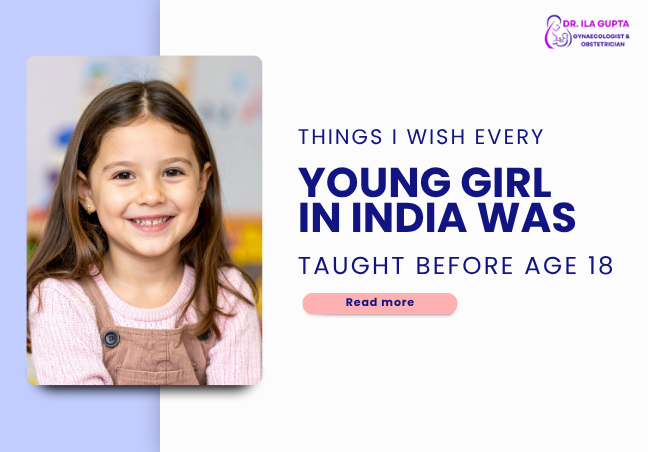
If you ask most Indian women what they knew about their own bodies before turning 18, the honest answer is usually — "not much." Periods were whispered about, reproductive health was a taboo topic, and most girls grew up learning about their bodies through confusion, fear, or misinformation rather than facts. As the best gynaecologist in Ghaziabad, Dr. Ila Gupta has spent years counseling young girls and women who are unlearning years of myths and silence around their own health. Here are the things every young girl in India deserves to know before she turns 18.
From a young age, many girls are taught to hide pads, avoid certain foods, or stay away from religious spaces during menstruation. This shame around a completely natural biological process creates long-term anxiety and prevents girls from seeking help when something feels wrong.
Every girl should know that menstruation is a sign of a healthy reproductive system — not something to be embarrassed about. The best gynaecologist in Ghaziabad often meets young women who delayed seeking help for painful or irregular periods simply because they were too embarrassed to talk about it.
"Every girl has period pain" is one of the most damaging myths passed down through generations. While mild discomfort is common, severe pain that disrupts daily life, school, or work is not something to simply endure.
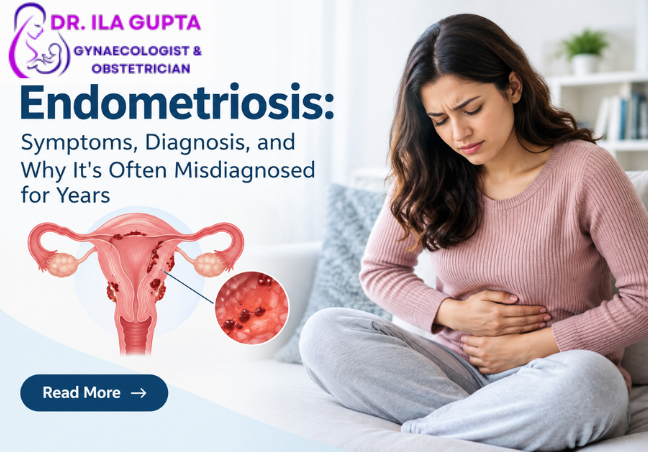
Conditions like endometriosis, PCOS, or fibroids often begin showing symptoms during teenage years but go undiagnosed for years because girls are told to "just bear it." Early awareness can lead to early diagnosis and significantly better outcomes.
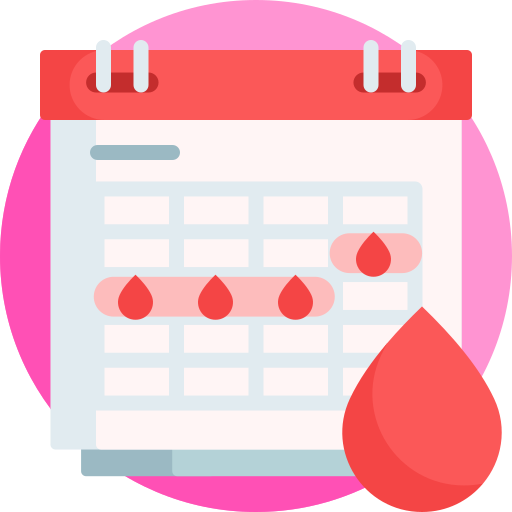
Most girls are taught how to manage their period hygienically, but very few are taught how to track their cycle, recognize irregularities, or understand what their cycle says about their hormonal health.
Tracking periods — duration, flow, and symptoms — is a simple habit that gives valuable insight into reproductive health and helps any gynaecologist in Ghaziabad make faster, more accurate diagnoses later in life.
Weight gain, acne, mood swings, body hair, and breast development can all feel overwhelming without proper guidance. Without accurate information, many girls develop body image issues or unnecessary anxiety about completely normal developmental changes.
Open conversations about puberty — at home and in school — help girls feel confident and informed rather than confused and self-conscious.
Reproductive health isn't a separate, hidden category — it's deeply connected to overall physical and mental wellbeing. Hormonal imbalances can affect skin, weight, mood, sleep, and energy levels.
Every girl should understand that visiting a gynaecologist is not just for married women or pregnancy-related concerns. The best gynaecologist in Ghaziabad recommends that young girls feel comfortable seeking medical advice for any reproductive health concern, regardless of age or marital status.
Every girl has the right to understand and make decisions about her own body. Teaching girls about consent, personal boundaries, and body autonomy from a young age builds confidence and equips them to recognize and respond to inappropriate behavior.
This understanding also extends to medical care — girls should know they have the right to ask questions, seek second opinions, and make informed choices about their health.
Iron deficiency, irregular periods, and hormonal imbalances are often linked to poor nutrition during the teenage years — a critical period of growth and development. A balanced diet rich in iron, calcium, and protein supports healthy menstrual cycles and overall development.
Many young girls in India are unknowingly anemic, which can worsen period symptoms and affect energy levels, concentration, and immunity.
Mood swings, anxiety, and irritability are often dismissed as "just teenage drama," but hormonal fluctuations during puberty and the menstrual cycle genuinely affect mental health. Recognizing this connection helps young girls — and the adults around them — respond with understanding rather than judgment.
Many girls grow up learning about reproduction through fear-based warnings rather than accurate, age-appropriate information. This leaves them ill-equipped to make informed decisions and increases vulnerability to misinformation, unsafe practices, and health risks.
The best gynaecologist in Ghaziabad strongly advocates for open, honest, and fact-based conversations about reproductive health, contraception, and safe practices for young girls as they grow into adulthood.
Perhaps the most important lesson — no question about your body is a silly question, and no symptom is too small to mention to a doctor. Whether it's irregular periods, unusual pain, skin changes, or anything that feels "off," seeking medical advice early is always the right choice.
When girls grow up without this knowledge, they often carry confusion, shame, and untreated health issues into adulthood. Many women visiting Dr. Ila Gupta today say they wish someone had told them these things years ago — before silence and stigma shaped their understanding of their own bodies.
As the best gynaecologist in Ghaziabad, Dr. Ila Gupta believes that empowering young girls with the right information is one of the most powerful gifts we can give the next generation.
Every young girl deserves to grow up understanding her body — without shame, without fear, and without silence. Parents, schools, and communities all have a role to play in normalizing these conversations.
For expert, compassionate guidance on women's health at every age, consult Dr. Ila Gupta — the best gynaecologist in Ghaziabad.
Ideally between 13-15, or earlier if there are concerns about periods, pain, or development.
Yes, mild irregularity is common in the first few years after periods start, but persistent issues should be checked.
Yes. Conditions like endometriosis or PCOS often start in the teen years and need early evaluation.
Proper nutrition supports hormonal balance, regular periods, and prevents anemia, which is common among young girls.
Keep it open, factual, and judgment-free — normalize talking about periods and body changes as part of growing up.
Stay informed about women's health tips, pregnancy care, and gynecological updates.