













For More Inquiry
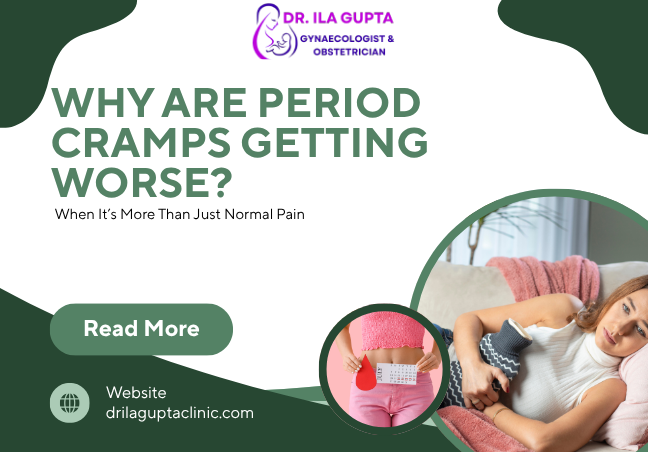
Period cramps are common for many women, especially during the first few days of menstruation. However, when the pain becomes more intense, lasts longer, or starts interfering with daily life, it may signal an underlying health issue. Severe menstrual pain is not something you should ignore, particularly if it worsens over time.
Dr. Ila Gupta, widely regarded as the best gynecologist in Ghaziabad, explains that worsening period cramps can be a sign of conditions that require medical evaluation. Understanding the difference between normal cramps and abnormal pain can help women seek timely care and prevent complications.
Mild to moderate cramps during menstruation are normal. These cramps occur due to uterine contractions that help shed the lining of the uterus. Normal period pain usually:
If pain becomes severe or progressively worse, consulting the best gynecologist in Ghaziabad is important to rule out underlying causes.
Here are warning signs that indicate your menstrual pain may require medical attention:
These symptoms should be evaluated by the best gynecologist in Ghaziabad to identify the root cause.
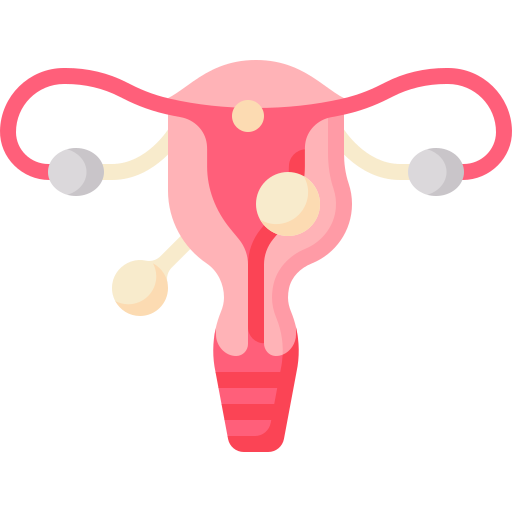
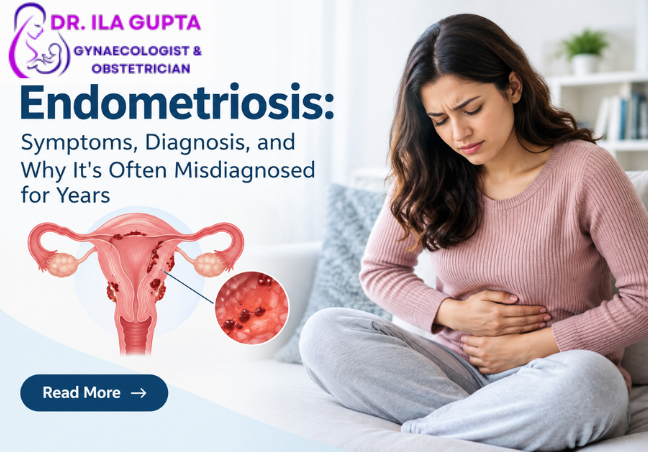
Endometriosis occurs when tissue similar to the uterine lining grows outside the uterus. This can cause severe pain, heavy periods, and fertility issues. Early diagnosis by the best gynecologist in Ghaziabad can help manage symptoms effectively.
Fibroids are non-cancerous growths in the uterus that may lead to heavy bleeding and painful periods. Women experiencing worsening cramps should consult the best gynecologist in Ghaziabad for proper evaluation.
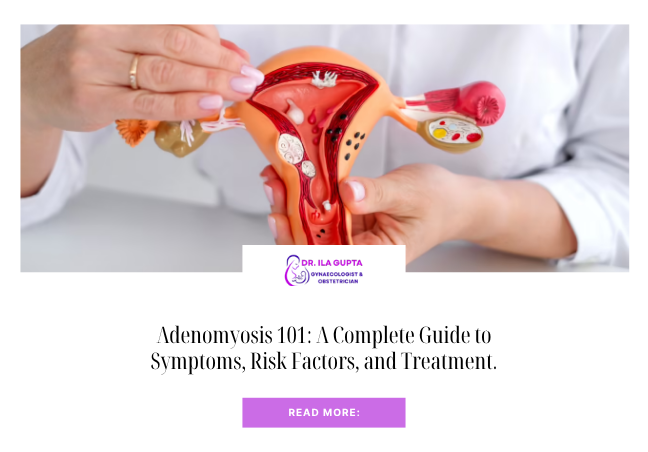
In this condition, the uterine lining grows into the muscular wall of the uterus. This often results in intense cramps and heavy bleeding. Timely consultation with the best gynecologist in Ghaziabad is important.
PID is an infection of the reproductive organs that can cause chronic pelvic pain and severe menstrual cramps. Early treatment guided by the best gynecologist in Ghaziabad helps prevent complications.
Ovarian cysts may cause sharp pain, irregular periods, and discomfort during menstruation. Evaluation by the best gynecologist in Ghaziabad ensures accurate diagnosis.
Hormonal fluctuations can increase prostaglandin levels, leading to stronger uterine contractions and more pain. Proper hormonal assessment by the best gynecologist in Ghaziabad can help restore balance.
You should seek medical advice if:
Early consultation with the best gynecologist in Ghaziabad can help diagnose conditions before they worsen.
To determine the cause, your doctor may recommend:
A detailed evaluation by the best gynecologist in Ghaziabad helps identify the exact reason for worsening pain.
Treatment depends on the underlying cause and severity of symptoms.
Pain relievers, hormonal therapy, or birth control pills may be prescribed to manage symptoms. Always follow treatment advised by the best gynecologist in Ghaziabad.
These steps can help reduce period pain when combined with guidance from the best gynecologist in Ghaziabad.
Applying a heating pad to the lower abdomen can relax muscles and reduce cramps.
In cases of fibroids, endometriosis, or cysts, further treatment may be needed. The best gynecologist in Ghaziabad can recommend appropriate procedures if required.
These supportive measures, along with medical advice from the best gynecologist in Ghaziabad, can improve comfort during menstruation.
While mild period cramps are normal, worsening pain is not something to ignore. Severe menstrual cramps can indicate underlying conditions such as endometriosis, fibroids, or hormonal imbalance. Early diagnosis and treatment can help prevent complications and improve quality of life.
Dr. Ila Gupta, known as the best gynecologist in Ghaziabad, emphasizes that women should not normalize severe pain. If your period cramps are getting worse, seeking timely medical care can help you find relief and protect your reproductive health.
No, severe cramps that disrupt daily life may indicate an underlying condition.
If pain worsens, lasts longer, or is associated with heavy bleeding, consult a doctor.
Yes, hormonal changes can increase uterine contractions and pain.
They can worsen if conditions like fibroids or endometriosis develop.
Heat therapy, hydration, exercise, and stress management can help.
Stay informed about women's health tips, pregnancy care, and gynecological updates.