

























For More Inquiry
As the Best Gynaecologist in Ghaziabad, I, Dr. Ila Gupta, have seen countless women suffer in silence — battling debilitating pelvic pain, heavy menstrual bleeding, and relentless fatigue — without ever receiving a proper diagnosis. More often than not, the culprit is adenomyosis, a commonly misunderstood and underdiagnosed condition that deserves far more attention in women's healthcare.
If you have been told your painful periods are "just normal" or have been suffering without answers, this guide is for you. Let us break down everything you need to know about adenomyosis — from what it is to how it can be effectively managed.
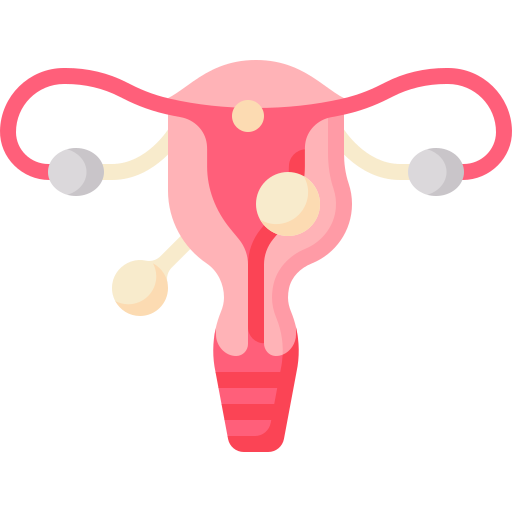
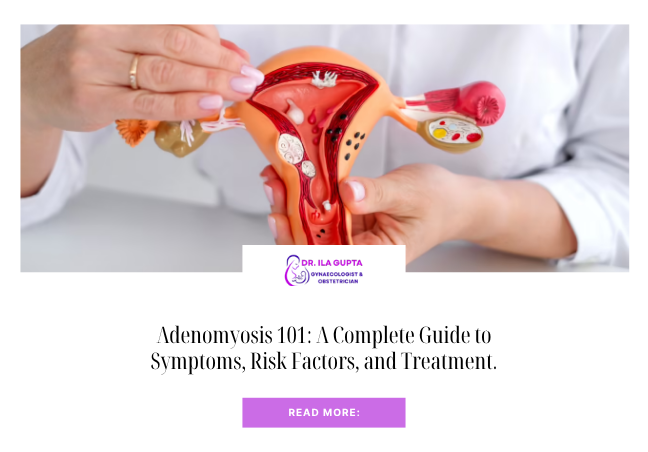
Adenomyosis is a gynaecological condition in which the tissue that normally lines the inside of the uterus — called the endometrium — begins to grow into the muscular wall of the uterus (the myometrium). Unlike its close relative, endometriosis, adenomyosis stays within the uterus, but the damage it causes is just as real and painful.
Each month, this misplaced tissue responds to hormonal changes, thickening and bleeding just as the regular uterine lining would — but with nowhere to exit the body. This leads to an enlarged uterus, chronic inflammation, and severe menstrual symptoms that can significantly impact a woman's quality of life.
Many women with adenomyosis spend years visiting different doctors before receiving a correct diagnosis. Recognising the symptoms early can make a significant difference. Here are the most common signs to watch for:
• Heavy or prolonged menstrual bleeding (menorrhagia)
• Severe, cramping pelvic pain during and between periods
• A feeling of pressure or bloating in the lower abdomen
• An enlarged or tender uterus
• Pain during intercourse (dyspareunia)
• Spotting between periods
• Fatigue and anaemia due to excessive blood loss
It is important to note that some women with adenomyosis may experience no symptoms at all, making routine gynaecological check-ups all the more essential.
While the exact cause of adenomyosis remains under research, several risk factors have been identified:
• Age: Most commonly diagnosed in women aged 35–50, though it can occur at any age
• Childbirth: Women who have had one or more pregnancies appear to be at higher risk
• Prior uterine surgery: C-sections, fibroid removal, or dilation & curettage (D&C)
• Hormonal factors: Elevated oestrogen levels may fuel adenomyosis growth
• Family history: A genetic predisposition may play a role
Being aware of these risk factors can help women seek timely care from a qualified specialist — such as the best gynaecologist in Ghaziabad — before symptoms worsen.
Diagnosing adenomyosis can be challenging because its symptoms overlap with other conditions like fibroids or endometriosis. At my clinic in Ghaziabad, I use a thorough, patient-centred approach that includes:
• Detailed medical history and symptom assessment
• Pelvic examination to check for an enlarged or tender uterus
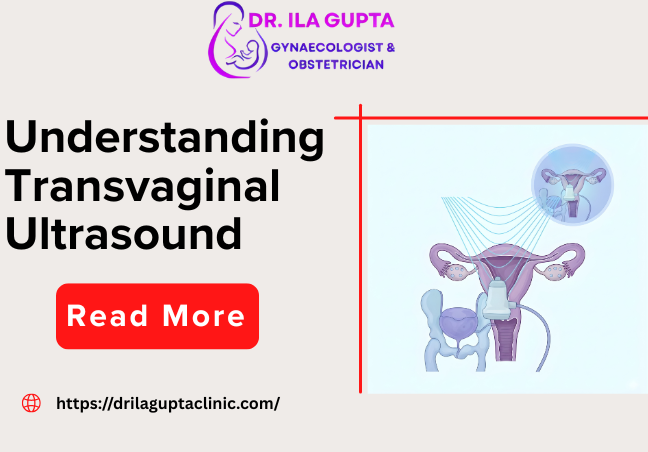
• Transvaginal ultrasound (TVUS) — a highly effective first-line imaging tool
• MRI (Magnetic Resonance Imaging) — for a more detailed view when needed
• In some cases, laparoscopy may be recommended to rule out endometriosis
A definitive diagnosis of adenomyosis is technically only possible after a hysterectomy and pathological examination, but modern imaging has made it possible to diagnose and treat the condition effectively without surgery in most cases.
The good news is that adenomyosis is a highly manageable condition. Treatment depends on the severity of symptoms, the patient's age, and whether she wishes to preserve her fertility. As the best gynaecologist in Ghaziabad, I tailor every treatment plan to the individual needs of my patients.
• Hormonal therapy: Birth control pills, patches, or hormonal IUDs (like Mirena) to reduce bleeding and pain
• GnRH agonists: Medications that temporarily induce a menopause-like state to shrink adenomyosis tissue
• NSAIDs: Anti-inflammatory medications to manage pain and reduce heavy bleeding
• Progestin therapy: Progesterone-based treatments to counteract oestrogen and control symptoms
• Uterine artery embolisation (UAE): A minimally invasive procedure to block the blood supply to adenomyosis tissue
• Endometrial ablation: Removal or destruction of the uterine lining — suitable for women who do not wish to become pregnant
• Hysterectomy: The only definitive cure for adenomyosis, recommended only when other treatments have failed and the patient has completed her family
Early intervention is key. The longer adenomyosis goes undiagnosed and untreated, the greater the impact on a woman's daily life and fertility.
One question I hear frequently is: "Can I still get pregnant if I have adenomyosis?" The answer is — yes, many women with adenomyosis do conceive naturally or with assisted reproductive technologies. However, adenomyosis can reduce fertility and increase the risk of miscarriage or preterm birth in some cases.
If you are trying to conceive and have been diagnosed with adenomyosis, it is essential to work closely with an experienced gynaecologist. Early treatment and careful monitoring can significantly improve your chances of a healthy pregnancy.
Adenomyosis is not just "bad periods" — it is a real, diagnosable medical condition that deserves proper attention and care. If you have been experiencing heavy bleeding, severe pelvic pain, or any of the symptoms described above, please do not dismiss them as normal. Early diagnosis and the right treatment plan can transform your quality of life.
As the best gynaecologist in Ghaziabad, my mission is to ensure that every woman receives compassionate, evidence-based care. If you suspect you may have adenomyosis or any other gynaecological concern, I encourage you to book a consultation at my clinic today. You deserve to live pain-free.
No. While both involve the endometrial tissue, in adenomyosis the tissue grows into the uterine muscle, whereas in endometriosis it grows outside the uterus entirely. However, both conditions can co-exist in the same patient.
Adenomyosis is a chronic condition and does not resolve on its own. However, symptoms often improve after menopause when oestrogen levels decline naturally. Medical and surgical treatments are available to manage symptoms effectively before menopause.
No. Many women with adenomyosis are successfully managed with hormonal therapies and pain medications without ever needing surgery. Surgery is considered only when symptoms are severe and do not respond to non-surgical treatments.
Fibroids are non-cancerous growths on or within the uterus, while adenomyosis involves endometrial tissue embedded in the uterine muscle itself. Both can cause heavy bleeding and pelvic pain, which is why an expert diagnosis is critical.
If you experience heavy periods that interfere with your daily life, severe pelvic pain, or persistent pelvic pressure, you should consult a gynaecologist promptly. Early diagnosis leads to better outcomes. As the best gynaecologist in Ghaziabad, Dr. Ila Gupta offers comprehensive evaluations and personalised care for every patient.
Stay informed about women's health tips, pregnancy care, and gynecological updates.