



























For More Inquiry
In medicine, there are conditions that announce themselves loudly — and then there are conditions that whisper. Ectopic pregnancy belongs to the second, far more dangerous category. It is a complication that can begin with symptoms so mild and non-specific that many women — and even some clinicians — initially mistake it for something entirely benign. And yet, left undetected, it can become life-threatening within hours.
As the best gynaecologist in Ghaziabad, I, Dr. Ila Gupta, have seen firsthand how quickly an ectopic pregnancy can escalate — and how dramatically early awareness and timely intervention can change the outcome. This guide is written with one purpose: to ensure that no woman is caught off guard by a condition that, with the right knowledge, can be detected early and managed safely.
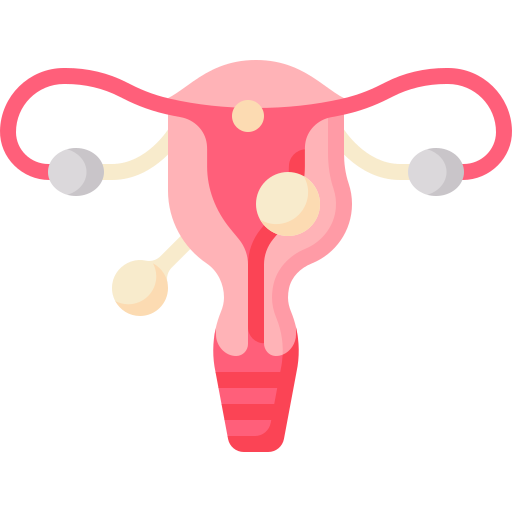
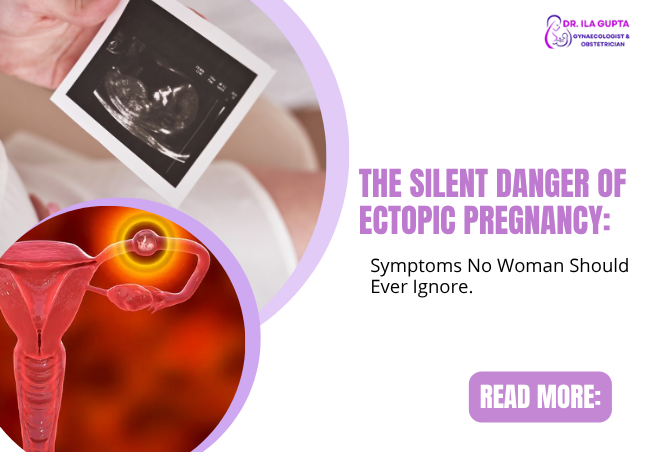
A normal pregnancy begins when a fertilised egg travels through the fallopian tube and implants in the lining of the uterus — the only environment in the body capable of supporting a growing pregnancy to term. In an ectopic pregnancy, the fertilised egg implants somewhere outside the uterine cavity. In more than 95% of cases, this occurs within a fallopian tube, which is why ectopic pregnancies are sometimes called tubal pregnancies.
The fallopian tube is not designed to accommodate a growing embryo. As the pregnancy develops, the tube stretches — and without intervention, it will eventually rupture. A ruptured ectopic pregnancy causes severe internal bleeding and is a gynaecological emergency that requires immediate surgical intervention. This is precisely why recognising the early signs matters so profoundly.
Ectopic pregnancy occurs in approximately 1 to 2 in every 100 pregnancies — making it far more common than most women realise. It is the leading cause of pregnancy-related death in the first trimester worldwide, and yet it remains significantly under-discussed in routine women's health conversations.
Part of what makes ectopic pregnancy so dangerous is the speed at which it can deteriorate. A woman may feel relatively well one morning and be in a surgical emergency by evening. This is not an exaggeration — it is a clinical reality that I, as the best gynaecologist in Ghaziabad, must communicate clearly and without hesitation.
⚠ MEDICAL EMERGENCY ALERT: If you experience sudden, severe abdominal or pelvic pain — especially with shoulder tip pain, dizziness, or fainting — in early pregnancy, go to your nearest emergency department immediately. Do not wait for a scheduled appointment.
The deceptive nature of ectopic pregnancy lies in how closely its early symptoms resemble those of a normal early pregnancy — or even of common, non-serious conditions like gastroenteritis or menstrual cramping. Here is what to watch for:
• Missed period or a lighter than usual period — many women do not realise they are pregnant at all
• Mild to moderate pelvic or abdominal pain — often one-sided, on the side where the ectopic pregnancy is located
• Vaginal bleeding or spotting — often described as lighter or darker than a normal period
• Nausea and breast tenderness — symptoms identical to those of a normal early pregnancy
• A positive home pregnancy test — which cannot distinguish between a normal and an ectopic pregnancy
• Sudden, severe, sharp pain in the lower abdomen or pelvis — may come on rapidly and intensely
• Shoulder tip pain — caused by internal bleeding irritating the diaphragm; a critically important warning sign
• Dizziness, lightheadedness, or fainting — indicating significant internal blood loss
• Pale, clammy skin and a rapid heartbeat — signs of haemodynamic shock
• Rectal pressure or the urge to pass stool — caused by blood pooling in the pelvic cavity
The presence of shoulder tip pain in a woman with a positive pregnancy test and pelvic discomfort must always be treated as a potential ectopic pregnancy emergency until proven otherwise. This symptom alone should prompt immediate emergency attendance.
While ectopic pregnancy can occur in any woman who is pregnant, certain factors increase the risk significantly:
• Previous ectopic pregnancy: The single strongest risk factor — women who have had one ectopic pregnancy have a significantly elevated risk of a second
• Fallopian tube damage: Caused by previous pelvic inflammatory disease (PID), sexually transmitted infections (particularly chlamydia), or prior tubal surgery
• Endometriosis: Inflammation and scarring associated with endometriosis can affect tubal function
• Previous abdominal or pelvic surgery: Including appendectomy or caesarean section, which can cause adhesions affecting the tubes
• Assisted reproductive technology (ART): IVF and other fertility treatments carry a slightly elevated risk
• Smoking: Nicotine impairs the muscular contractions of the fallopian tubes that move the egg toward the uterus
• Intrauterine device (IUD): While IUDs are highly effective at preventing pregnancy overall, if pregnancy does occur, there is a higher relative risk of it being ectopic
Having one or more of these risk factors does not mean an ectopic pregnancy is inevitable — but it does mean that any pregnancy symptoms should be investigated early and carefully by a qualified specialist.
Prompt, accurate diagnosis is everything in ectopic pregnancy. At my clinic in Ghaziabad, I follow an evidence-based diagnostic approach for any woman presenting with early pregnancy symptoms and risk factors:
• Serum beta-hCG blood test: Measures the pregnancy hormone hCG — serial measurements every 48 hours reveal whether levels are rising normally (as in a healthy pregnancy) or abnormally (suggestive of ectopic or failing pregnancy)
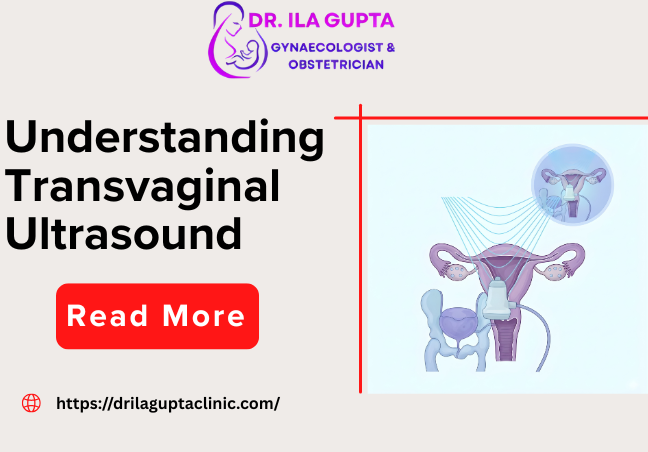
• Transvaginal ultrasound (TVUS): The most critical diagnostic tool — used to locate the pregnancy. The absence of a visible intrauterine pregnancy alongside a positive hCG test is strongly suggestive of an ectopic pregnancy
• Progesterone levels: Low progesterone may indicate an abnormal pregnancy
• Laparoscopy: Where diagnosis remains uncertain and symptoms are worsening, direct surgical visualisation of the pelvis confirms the diagnosis and allows immediate treatment
Treatment depends on how early the ectopic pregnancy is detected and the clinical stability of the patient. There are three main approaches:
In cases where hCG levels are very low and falling naturally, and the patient is clinically well, careful monitoring without active intervention may be appropriate. This approach requires very close follow-up with repeat blood tests.
When detected early — before rupture — methotrexate, a medication that stops the growth of rapidly dividing cells, can be administered by injection to dissolve the ectopic tissue. This is a non-surgical option that preserves the fallopian tube. Not all patients are suitable candidates; careful selection criteria apply.
The most common treatment is particularly when the ectopic pregnancy is more advanced or has ruptured. A minimally invasive laparoscopic procedure allows the ectopic pregnancy to be removed — either preserving the fallopian tube (salpingostomy) or removing it (salpingectomy), depending on the extent of damage. Emergency open surgery (laparotomy) is required in cases of significant internal bleeding.
One of the first questions women ask after an ectopic pregnancy is: "Can I still have a baby?" The answer, in most cases, is yes. Many women go on to have healthy intrauterine pregnancies after a single ectopic pregnancy — particularly when the condition was detected early and managed with minimal tubal damage.
Future pregnancies will require early monitoring and serial hCG measurements to confirm normal intrauterine implantation. As the best gynaecologist in Ghaziabad, I provide every patient who has experienced an ectopic pregnancy with a personalised plan for future conception — including timeline guidance, risk reduction strategies, and emotional support.
Ectopic pregnancy is one of the most serious conditions in women's reproductive health — not because it cannot be treated, but because its silence makes it dangerous. Symptoms that feel minor, signs that mimic everyday discomforts, a positive pregnancy test that offers no information about where the pregnancy is growing — all of these factors conspire to delay the recognition that urgency is required.
Knowledge is the most powerful protection. Knowing the risk factors, recognising the symptoms, and acting without hesitation when something feels wrong can make the difference between a managed medical situation and a life-threatening emergency.
As the best gynaecologist in Ghaziabad, Dr. Ila Gupta is committed to ensuring that every woman in her care has the information, access, and support she needs — at every stage of her reproductive journey. If you have concerns about an early pregnancy, a history of ectopic pregnancy, or any of the symptoms described in this guide, please do not delay. Book a consultation today. Some things simply cannot wait.
No. It only confirms pregnancy — not location. Any positive test with pelvic pain or bleeding needs immediate medical evaluation.
As early as 5 to 6 weeks, using ultrasound and hCG blood tests. High-risk women should seek early confirmation without delay.
Slightly, due to underlying tubal factors. All IVF pregnancies are monitored with early scans to confirm uterine implantation.
At least 3 months after medical management, 3 to 6 months after surgery. Longer if methotrexate was used.
Immediately — if you have sudden pelvic pain, shoulder tip pain, heavy bleeding, dizziness, or fainting in early pregnancy. Do not wait.
Stay informed about women's health tips, pregnancy care, and gynecological updates.