
























For More Inquiry
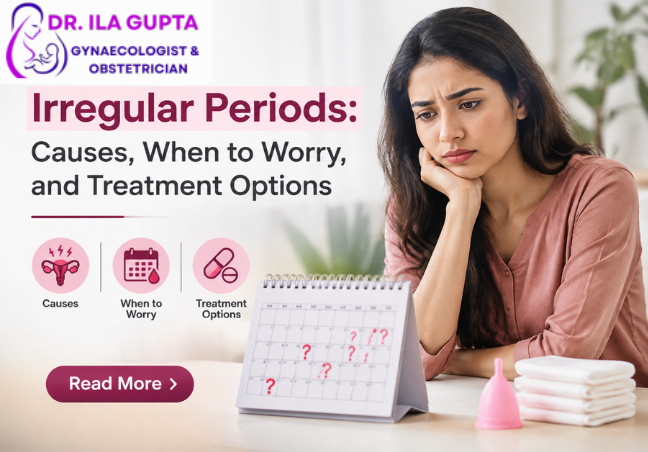
Menstrual cycles can naturally vary from one woman to another. An occasional early or late period may not necessarily indicate a health problem. However, when periods repeatedly become unpredictable, very frequent, unusually delayed, excessively heavy, or disappear for months, it may be a sign that something needs medical attention.
Irregular periods can occur because of hormonal changes, stress, significant weight changes, pregnancy, contraception, PCOS, thyroid disorders, and other gynecological conditions. Understanding the cause is important because treatment depends on the underlying problem. Women experiencing persistent changes in their menstrual cycle can consult the best Gynecologist in Ghaziabad for appropriate evaluation and individualized treatment.
A menstrual cycle is counted from the first day of one period to the first day of the next. While 28 days is often considered an average, healthy cycles do not have to occur exactly every 28 days.
For adults, ACOG states that a typical menstrual cycle is generally between 21 and 35 days, while a period usually lasts up to seven days. Cycles shorter than 21 days, longer than 35 days, or with substantial variation from one cycle to another may be considered abnormal.
Irregular periods may include:
Keeping track of periods using a calendar or menstrual-tracking app can help identify changes in cycle length and bleeding patterns.
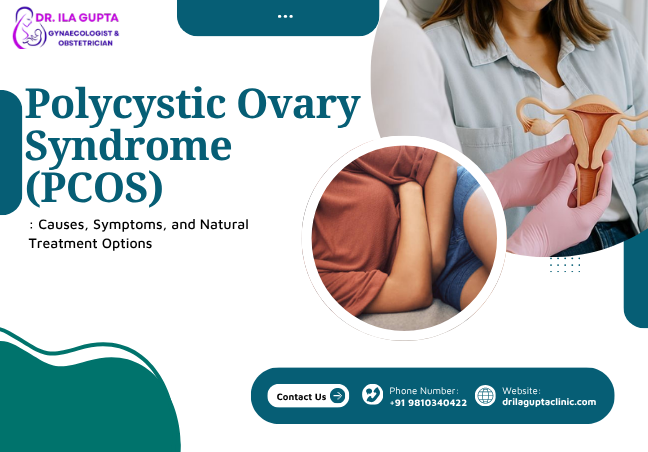
PCOS is a common hormonal condition associated with irregular or absent ovulation. When ovulation does not occur regularly, menstrual periods may become infrequent, unpredictable, or sometimes heavy.
Other possible symptoms include acne, excess facial or body hair, weight changes, and difficulty becoming pregnant. ACOG identifies PCOS as one condition that can cause problems with ovulation and irregular menstrual bleeding.
Not every woman with irregular periods has PCOS, so proper evaluation is important.
The thyroid gland produces hormones that influence many body processes. Both underactive and overactive thyroid conditions can affect menstruation.
ACOG includes hypothyroidism among medical conditions that can interfere with normal ovulation and contribute to irregular bleeding.
If irregular periods occur alongside symptoms such as unexplained weight changes, tiredness, changes in heart rate, or temperature sensitivity, your doctor may recommend thyroid testing.
Emotional or physical stress can affect hormonal signals involved in the menstrual cycle. Periods may become delayed or irregular during periods of significant stress.
Stress-related menstrual changes may improve when the underlying trigger resolves. However, persistent irregularity should not automatically be attributed to stress without considering other possible causes.
Rapid weight loss or gain may affect hormonal balance and ovulation. Very restrictive diets and eating disorders may also interfere with menstrual cycles.
The NHS identifies significant weight changes as one of the common causes of irregular periods.
Women experiencing unexplained weight changes together with irregular menstruation should consider a medical evaluation.
Regular physical activity supports overall health, but very intense exercise combined with inadequate calorie intake can disrupt menstruation in some women.
This is particularly relevant when periods become very infrequent or stop completely. The NHS lists excessive exercise among possible causes of irregular periods.
A missed period can be an early sign of pregnancy. Therefore, pregnancy should be considered when menstruation is unexpectedly delayed in someone who could be pregnant.
After childbirth, particularly while breastfeeding, menstrual cycles may also take time to return to their previous pattern.
If pregnancy is possible, a pregnancy test may be one of the first investigations considered.
Birth control pills, injections, hormonal intrauterine systems, and other hormonal contraceptives can alter bleeding patterns. Some women experience spotting or irregular bleeding, particularly after starting or changing contraception.
ACOG also notes that hormonal birth control can cause breakthrough bleeding, while a copper IUD may make menstrual bleeding heavier, especially during the first year.
Discuss persistent or troublesome bleeding with your healthcare provider rather than stopping contraception without medical advice.
As women approach menopause, hormone levels begin to fluctuate and periods can become less predictable.
Cycles may become shorter or longer, and bleeding may become lighter or heavier. ACOG notes that irregular bleeding patterns can become more common during perimenopause.
Even though cycle changes are common during this stage, unusual or heavy bleeding should still be discussed with a gynecologist.
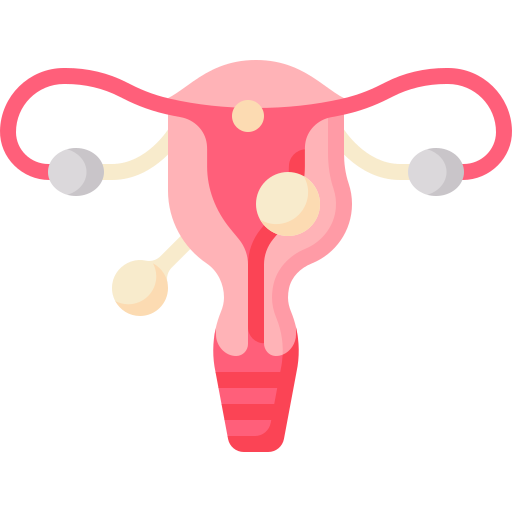
Uterine fibroids are noncancerous growths that develop from uterine muscle tissue, while polyps are growths that may occur within the uterus or cervix.
Both conditions can contribute to abnormal or heavy menstrual bleeding.
Symptoms may include prolonged periods, heavy bleeding, pelvic pressure, or bleeding between periods.
An occasional change may not require treatment, but persistent irregular periods deserve attention.
Consider consulting the best Gynecologist in Ghaziabad if:
The NHS advises seeking medical advice when periods are irregular, last longer than seven days, occur with additional symptoms, or are associated with difficulty conceiving.
Seek urgent medical attention if bleeding becomes extremely heavy and you develop symptoms such as dizziness, faintness, shortness of breath, or chest pain.
ACOG specifically advises emergency medical care when someone is soaking through pads or tampons every hour for more than two consecutive hours and also experiences symptoms such as chest pain, breathlessness, lightheadedness, or dizziness.
Diagnosis begins with understanding your menstrual history and other symptoms. Your gynecologist may ask about cycle frequency, duration, bleeding amount, medications, contraception, pregnancy history, weight changes, and other medical conditions.
Depending on the suspected cause, investigations may include:
In selected cases, hysteroscopy or endometrial biopsy may be recommended.
Tracking your periods before your appointment can provide valuable information to your doctor.
Treatment is determined by the underlying cause rather than simply making the menstrual cycle appear regular.
If stress, significant weight changes, inadequate nutrition, or excessive exercise are contributing factors, lifestyle modifications may help restore healthier menstrual patterns.
Hormonal contraception may be recommended in certain cases to regulate menstrual bleeding. ACOG notes that combined hormonal contraceptives and some progestin-only methods can help manage irregular or heavy bleeding caused by problems such as ovulatory dysfunction.
These medicines are not suitable for everyone and should be prescribed after considering individual health factors.
Management of PCOS depends on symptoms and whether pregnancy is desired. Treatment may involve lifestyle changes and medications to manage menstrual irregularity, hormonal symptoms, or fertility concerns.
When a thyroid disorder is responsible for menstrual changes, treating the underlying thyroid condition may help improve menstrual regularity.
Depending on symptoms, size, location, fertility plans, and severity of bleeding, treatment may include medications or surgical procedures.
Women should discuss available options with the best Gynecologist in Ghaziabad to understand which approach is appropriate for their specific diagnosis.
Irregular periods do not automatically mean infertility. However, they can sometimes make conception more difficult when they are associated with irregular ovulation.
The NHS notes that pregnancy can be harder to achieve with irregular periods because ovulation may not occur regularly.
Women with irregular cycles who are planning pregnancy may benefit from discussing ovulation and fertility with their healthcare provider.
Keeping a menstrual diary is one of the simplest ways to understand your cycle.
Record:
ACOG recommends keeping track of when bleeding occurs and how much bleeding you experience because this information can assist your gynecologist during evaluation.
Irregular periods can occur for many reasons, ranging from temporary lifestyle and hormonal changes to conditions such as PCOS, thyroid disorders, fibroids, and problems with ovulation. While occasional variations may not indicate a serious problem, persistent menstrual changes should not be ignored.
Early evaluation can help identify the underlying cause and determine whether treatment is required. If periods repeatedly become unpredictable, very heavy, unusually prolonged, or are accompanied by other concerning symptoms, consulting the best Gynecologist in Ghaziabad can help you receive an accurate diagnosis and an appropriate treatment plan.
Yes. An occasional early or late period can happen, but persistent changes should be evaluated.
Yes. Significant emotional or physical stress can sometimes affect the menstrual cycle.
Not always, but irregular or infrequent periods are a common feature of PCOS.
They can if irregular cycles are caused by infrequent or absent ovulation.
Seek medical advice for persistent irregularity, very heavy bleeding, prolonged periods, bleeding between periods, severe pain, or difficulty conceiving.
Stay informed about women's health tips, pregnancy care, and gynecological updates.