























































For More Inquiry

Many women assume that regular periods mean fertility is fine. In reality, periods show that ovulation is happening, but they do not tell you how many eggs remain in the ovaries. Ovarian reserve testing gives that information, helping women plan pregnancy, understand delays in conceiving and make informed decisions about their future. Discussing these tests with the best gynaecologist in Ghaziabad can give you clarity and direction at the right time.
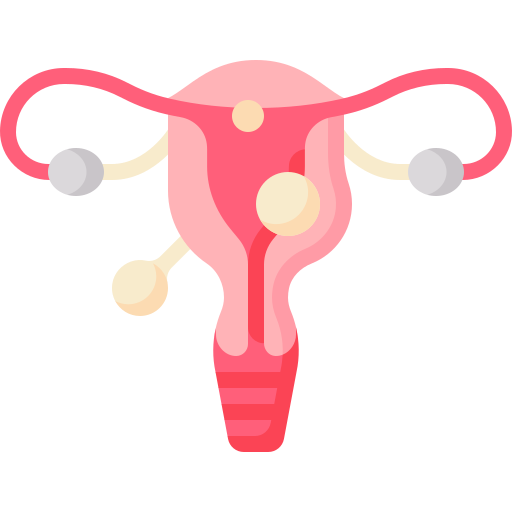
Ovarian reserve refers to the number and quality of eggs left in a woman’s ovaries. A woman is born with all the eggs she will ever have, and this number gradually declines with age. The decline is natural, but its speed varies from woman to woman. Some women have a lower reserve at a younger age because of genetics, medical conditions or previous treatments. Testing helps identify this early, so you can act while you have more options.
Your gynaecologist may suggest testing if you:
Even if you do not fit these categories, a consultation with the best gynaecologist in Ghaziabad can help you decide whether testing is useful for you.
AMH (Anti-Mullerian Hormone) test: A simple blood test that reflects the number of developing follicles in the ovaries. It can be done on any day of the menstrual cycle, which makes it convenient and widely used.
Antral Follicle Count (AFC): A transvaginal ultrasound, done early in the cycle, that counts the small resting follicles in both ovaries. It also lets the doctor examine the uterus and ovaries for other concerns.
FSH and Estradiol tests: Blood tests done on day 2 or 3 of the cycle. A high FSH level may suggest that the ovaries are working harder to produce eggs.
Doctors often combine these tests because no single test gives the full picture. An experienced doctor like the best gynaecologist in Ghaziabad will choose the right combination for you and interpret the results alongside your age, history and goals.
The process is quick and comfortable. Blood tests need only a small sample. The ultrasound is done in the clinic and takes a few minutes. There is no special preparation for AMH, while the FSH, estradiol and AFC need to be timed early in your cycle. Your doctor will guide you on the right day to visit.
Results are generally described as low, normal or high:
It is important to remember that these tests mainly show egg quantity, not egg quality, and they cannot predict exactly when or whether you will conceive naturally. Results should never be read alone from a lab report. Meeting the best gynaecologist in Ghaziabad for proper interpretation helps avoid unnecessary fear or false reassurance.
A low result can feel upsetting, but it is not the end of the road. Depending on your age, goals and overall health, your doctor may suggest:
Early planning gives you more choices and better control over your fertility journey.
While age cannot be reversed, healthy habits help support overall reproductive health:
Dr. Ila Gupta is a gynaecologist in Ghaziabad who offers compassionate, women-centred care, from routine check-ups to fertility concerns and the management of gynaecological conditions. She takes the time to listen, explain test results in simple language and plan treatment that fits each woman’s needs. For women searching for the best gynaecologist in Ghaziabad for ovarian reserve testing and fertility guidance, Dr. Ila Gupta provides a caring and confidential space to discuss every concern.
Yes. Testing can help if you have irregular periods, a family history of early menopause or plans to delay pregnancy. The best gynaecologist in Ghaziabad can tell you if it is right for you.
No. AMH reflects egg quantity, not quality. Many women with low AMH conceive, though they may need to act sooner.
Egg numbers cannot be increased, but healthy habits and treating underlying conditions support fertility. Ask the best gynaecologist in Ghaziabad for a plan suited to your age and health.
Not at all. It involves a blood sample and a short ultrasound, both of which are generally comfortable.
Understanding your ovarian reserve is not about worry. It is about making informed choices at the right time. Whether you are planning a baby now, later or are simply curious about your reproductive health, book an appointment with Dr. Ila Gupta, the best gynaecologist in Ghaziabad, and get clear, personalised guidance.
Disclaimer: This blog is for general awareness and does not replace a personal medical consultation.
Stay informed about women's health tips, pregnancy care, and gynecological updates.